Iran Nuclear Deal Failure: Geopolitical Fallout on Regional Security, Oil, and Proliferation
This analysis explores the multifaceted geopolitical consequences of a failed Iran nuclear deal, focusing on its potential destabilizing effects on regional security dynamics. It will also examine the implications for global oil markets and the broader nuclear proliferation landscape.
Five-Lens Analysis
Synthesis & Key Insights
The failure of the Iran nuclear deal negotiations in February 2026 is not merely a diplomatic hiccup; it represents a profound, multi-dimensional rupture with cascading consequences across regional security, global oil markets, and the proliferation landscape. Viewed through the five lenses, a consistent and alarming picture emerges.
From a Game Theory Lens, the collapse shifts the strategic interaction from a potentially positive-sum negotiation to a zero-sum confrontation. Iran's incentive to move towards a 'Strategic Ambiguity' or 'Dash to a Bomb' state becomes paramount, leveraging nuclear capability for security and regional dominance. This triggers a security dilemma, compelling adversaries like Israel and Saudi Arabia to consider pre-emptive action or their own nuclear ambitions. The US faces a difficult choice between costly military intervention and a potentially destabilizing 'maximum pressure' campaign, both with severe global repercussions. Credibility issues, particularly the US's past withdrawal from the JCPOA and Iran's history of non-compliance, severely limit future diplomatic off-ramps, pushing all actors towards brinkmanship.
The Elite Dynamics Lens reveals that this failure is not accidental but serves the interests of specific elite factions. In Iran, hardliners (IRGC, Supreme Leader) gain immense political capital and legitimacy, consolidating power by framing the failure as Western perfidy and justifying increased repression and a 'resistance economy.' Similarly, hawkish elements in the US foreign policy establishment and security elites in Israel and Saudi Arabia see their long-held warnings validated, empowering them to push for more aggressive postures, increased defense spending, and deeper security alliances. The failure highlights elite overproduction, where bureaucratic inertia and ideological rigidity prevent adaptive solutions, and a lack of accountability allows elites to pivot to more confrontational, self-serving policies. The ultimate beneficiaries are those who thrive on tension and crisis.
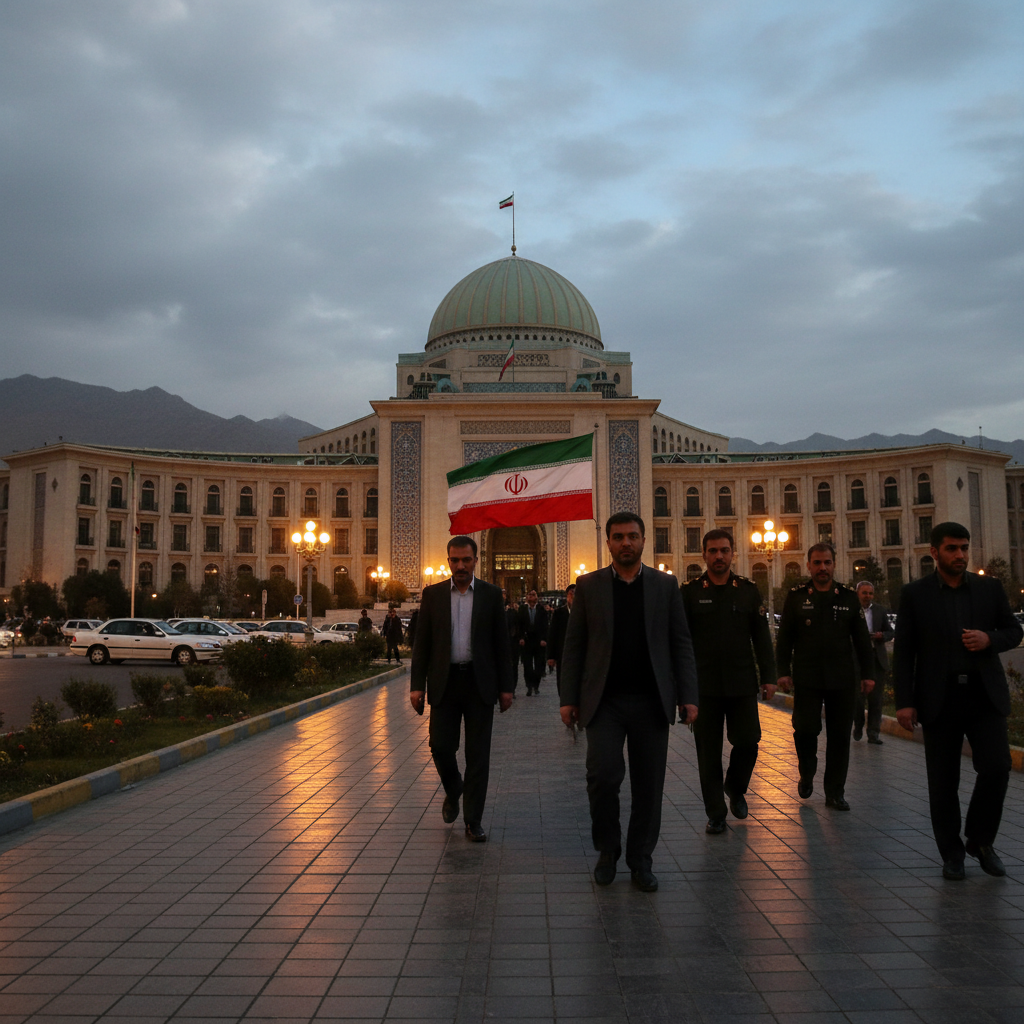
The Systems & Complexity Lens highlights the inherent fragility and interconnectedness of the systems involved. The failure acts as a shockwave, triggering predominantly positive feedback loops. An accelerated Iranian nuclear program (Nuclear Escalation Cycle) fuels regional destabilization (Proxy Conflict Intensification), which in turn spikes global oil market volatility. Critical tipping points include Iran reaching 90% enrichment, expulsion of IAEA inspectors, or a major regional attack. The cascading effects are severe: mass displacement, economic recession, and a profound erosion of the global non-proliferation regime. The system lacks redundancy and is susceptible to miscalculation, making a 'perfect storm' of collapse a distinct possibility.
The Historical Pattern Lens shows this situation as a recurring drama. It's a classic security dilemma playing out on a nuclear stage, reminiscent of the Anglo-German naval race or the Cold War arms race. The pendulum swings from 'appeasement' to 'confrontation,' a policy trap that has historically failed to roll back determined proliferators. The intensification of proxy wars, akin to the Cold War's regional conflicts, and predictable global oil market shocks due to 'chokepoint' vulnerability (Strait of Hormuz) are well-trodden paths. Most dangerously, the failure represents a severe erosion of the international non-proliferation norm, echoing North Korea's defiance and threatening a proliferation cascade across the Middle East.
Finally, the Psychological & Cultural Lens reveals the deep-seated motivations driving these actions. Iranian leaders, steeped in honor-shame culture and a narrative of historical victimhood, view concessions as humiliation and nuclear pursuit as a matter of national dignity and survival. Israeli leaders, driven by existential fear and a 'never again' mentality, are psychologically primed for pre-emptive action. US leaders, operating within a guilt-innocence framework, struggle to understand the cultural imperatives of their adversaries, leading to misinterpretations and policy failures. The failure reinforces pre-existing biases and insecurities, lowering the psychological threshold for conflict and fueling a dangerous narrative of self-justification for all parties. The 'If Iran can do it, why can't we?' mentality will drive regional proliferation.
In synthesis, the failure of the Iran nuclear deal negotiations is not just a policy failure; it is a systemic breakdown driven by entrenched elite interests, historical patterns, and deep-seated psychological and cultural divides. It pushes the region and the world towards a highly unstable, zero-sum game, dramatically increasing the probability of military confrontation, economic shocks, and a dangerous proliferation cascade. The path of least resistance is now one of escalation, with severe, long-term consequences for global stability.
Probabilistic Scenarios
6-18 months post-failure
Following the deal's collapse, Iran accelerates its nuclear program to 60-90% enrichment, expands centrifuge cascades, and further restricts IAEA access, stopping short of overt weaponization. The US implements a 'maximum pressure 2.0' campaign with crippling new sanctions, cyber operations, and increased military presence in the Gulf. Israel conducts covert operations and limited, deniable strikes against Iranian assets or proxies, but refrains from a full-scale attack on primary nuclear facilities. Regional proxy conflicts intensify, particularly in Yemen and Iraq. Global oil markets experience significant volatility and a sustained risk premium, but no major supply disruption. Back-channel communications remain open, and international actors (EU, Russia, China) attempt to mediate, but without immediate success. The situation remains on the brink, with frequent alarms but no all-out war.
Key Triggers:
- Iran avoids explicit NPT withdrawal or weaponization test
- US maintains strong diplomatic pressure against unilateral Israeli action
- Economic pressure on Iran becomes severe but not regime-threatening
- No major direct attack on US/allied forces in the region
Expected Outcomes:
- Iran becomes a de facto nuclear threshold state
- Deepened US-Israel-Gulf state security cooperation
- Sustained high oil prices (+$10-20/barrel) and market volatility
- Increased regional proxy conflict intensity and humanitarian crises
- Erosion of non-proliferation norms but no immediate cascade
- Renewed, but highly difficult, diplomatic efforts under new terms
3-12 months post-failure
Iran, feeling cornered, rapidly enriches uranium to 90% and publicly announces intentions to weaponize or expels all IAEA inspectors. Israel, perceiving an immediate existential threat and lacking confidence in US action, launches extensive pre-emptive military strikes against Iranian nuclear facilities and IRGC targets. Iran retaliates with missile attacks on Israel and Saudi Arabia, and orders its proxies (Hezbollah, Houthis) to launch widespread attacks. The US is drawn into the conflict to defend allies and its own forces, leading to a broader regional war. The Strait of Hormuz is severely disrupted, causing a global oil shock and economic recession. Regional powers like Saudi Arabia and Turkey announce accelerated nuclear programs or seek external nuclear guarantees, triggering a full-blown proliferation cascade.
Key Triggers:
- Iran crosses a clear 'red line' (e.g., 90% enrichment, NPT withdrawal)
- Israel acts unilaterally due to perceived US inaction or insufficient response
- A major miscalculation or accidental escalation by any party
- Iran targets US assets or personnel directly
Expected Outcomes:
- Full-scale regional war involving Iran, Israel, US, and proxies
- Global oil prices skyrocket (+$50-100/barrel), triggering a severe global recession
- Massive humanitarian crisis and refugee flows
- Widespread regional proliferation of nuclear weapons technology
- Significant damage to global trade and supply chains
- Unprecedented challenge to the global non-proliferation regime
12-24 months post-failure
Initially, negotiations fail, leading to a period of heightened tension and increased Iranian nuclear activity (e.g., 60% enrichment). However, the severe economic impact of renewed sanctions on Iran, coupled with intense international pressure (especially from China and Russia who fear regional instability), forces Iran back to the negotiating table. Simultaneously, the US, fearing the costs of military action and a proliferation cascade, offers a significantly revised, more comprehensive deal that includes broader security guarantees for Iran and substantial, verifiable sanctions relief. A 'grand bargain' is struck, perhaps brokered by a third party, that addresses both nuclear concerns and regional security issues, leading to a de-escalation of tensions and a more stable, albeit fragile, regional environment. This outcome would likely require a significant shift in leadership or policy on one or more sides.
Key Triggers:
- Unbearable economic pressure on Iran leading to internal dissent
- A credible, multilateral security guarantee offered to Iran by major powers
- A clear demonstration of the catastrophic costs of conflict (e.g., a limited, non-escalatory military skirmish)
- A significant shift in US or Iranian domestic political landscape
Expected Outcomes:
- A new, more comprehensive nuclear agreement with broader regional security components
- Significant sanctions relief for Iran and economic recovery
- De-escalation of regional tensions and proxy conflicts
- Temporary strengthening of the non-proliferation regime's credibility
- Stabilization of global oil markets
- Increased diplomatic engagement between Iran and the international community
Sign in to join the discussion
Sign InNo comments yet. Be the first to share your thoughts!
Related Analyses
AI-powered recommendationsThis analysis will explore the potential outcomes of the reported indirect meetings between US and Iranian officials in Oman. It will also consider the broader implications for regional stability and the future of their bilateral relations.
This analysis will explore the long-term geopolitical ramifications of the recent Russia-North Korea cooperation agreement. It will specifically focus on its impact on regional stability in East Asia and the broader global balance of power dynamics.
This analysis will explore the key events and interactions between the United States and Iran over the last 30 days. It will cover any reported diplomatic engagements, military incidents, economic sanctions, or other significant developments impacting their bilateral relationship.
This analysis will assess the immediate likelihood of a military conflict involving Iran, the USA, and Israel within the next few weeks. It will calculate a percentage probability and outline the primary geopolitical, military, and economic risks associated with such an escalation.